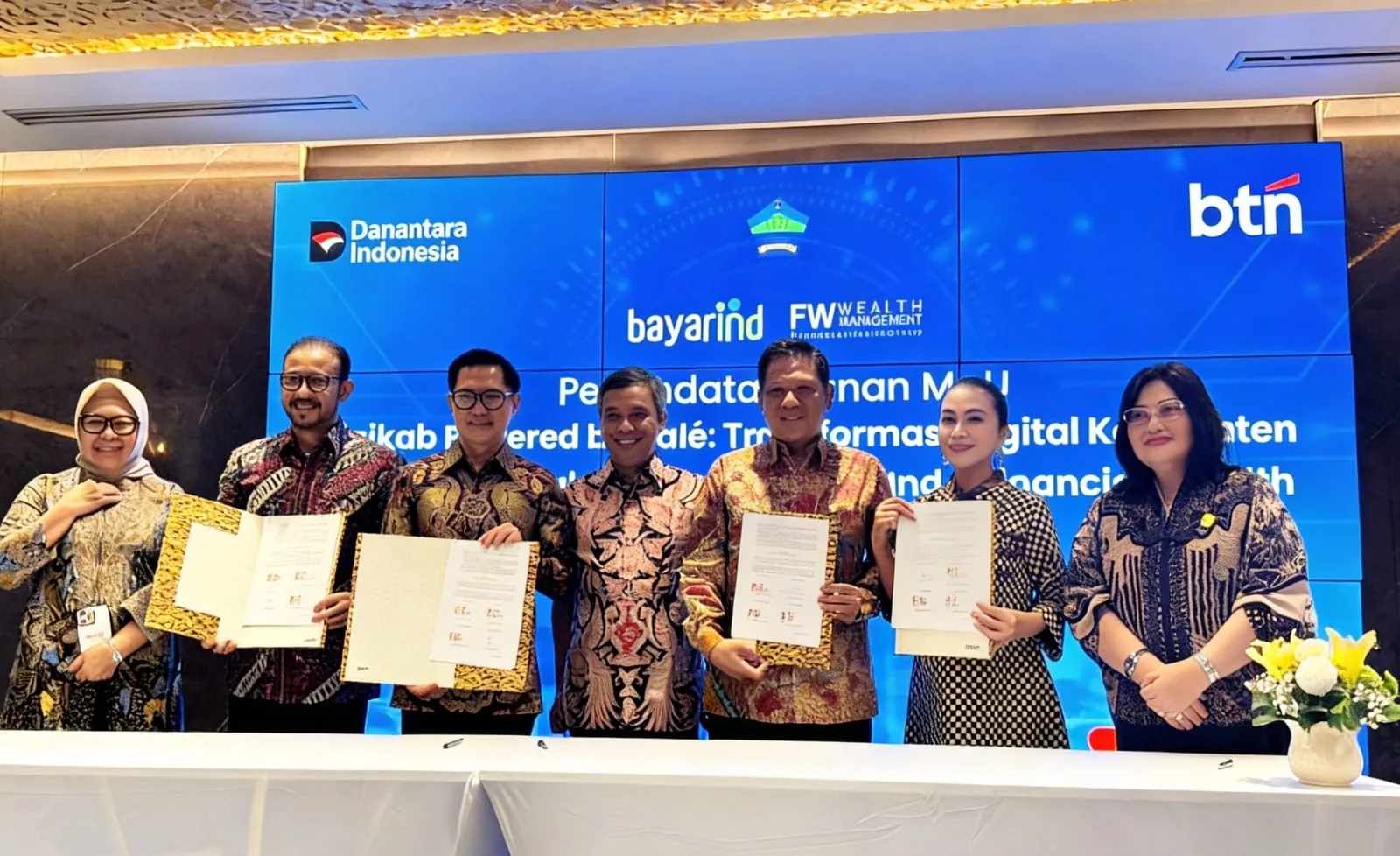
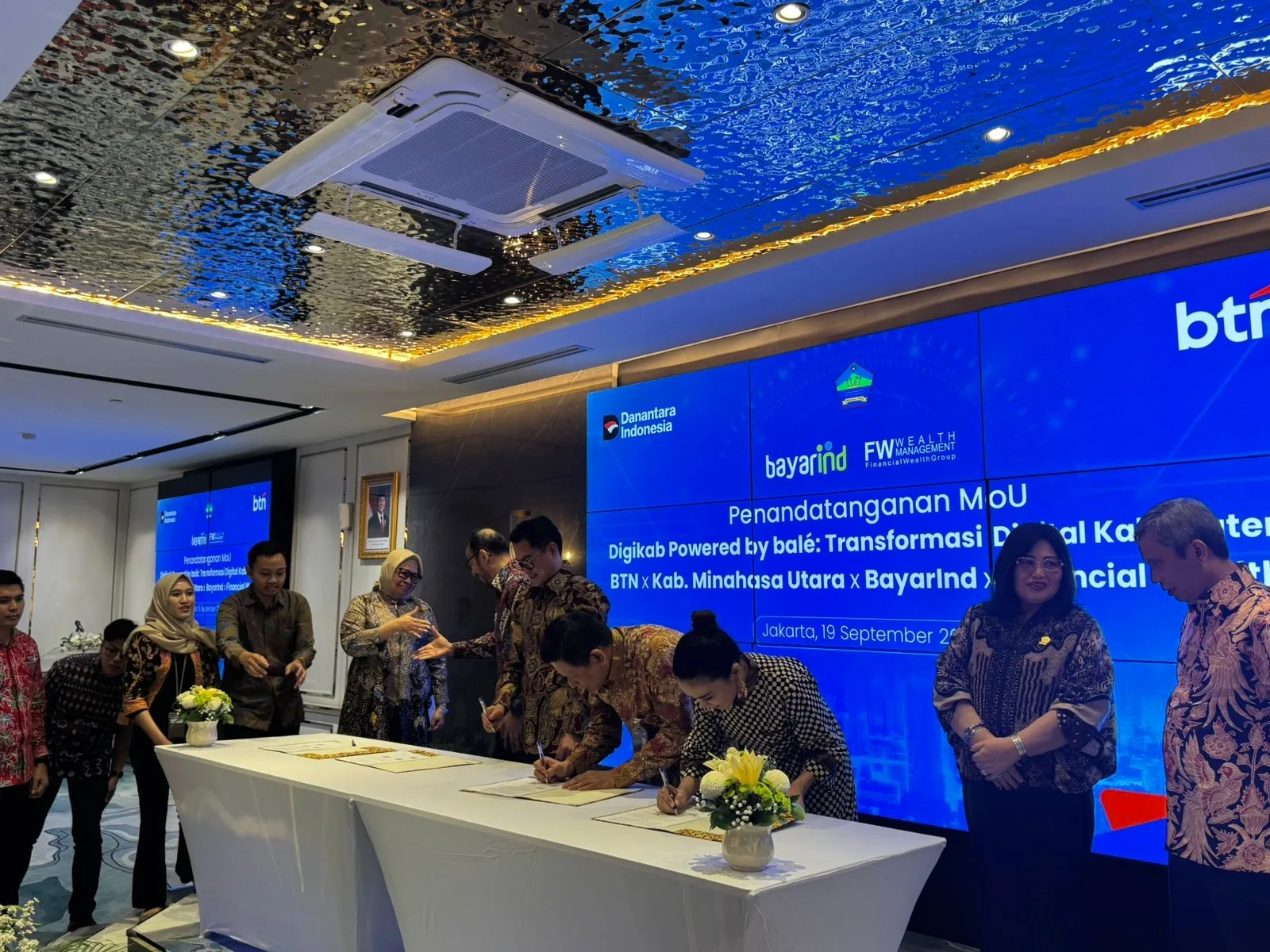
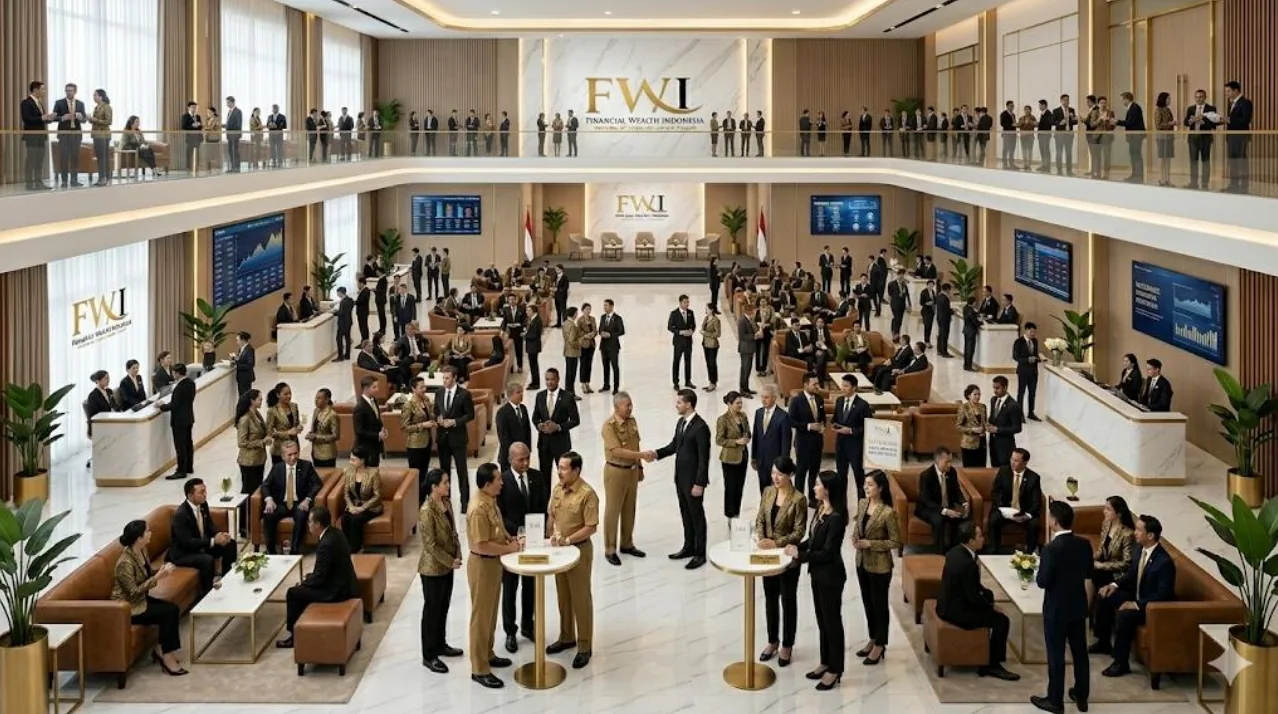
Financial Wealth Indonesia (FWI) is an integrated ecosystem orchestrator focused on regional digital transformation, financial infrastructure enablement, and Smart Nation development in Indonesia.
FWI is positioned beyond a conventional financial services company. The company operates as a strategic ecosystem integrator connecting government institutions, banking partners, technology providers, infrastructure players, investors, and communities into a unified regional development ecosystem.
As Indonesia accelerates toward a digitally connected economy, FWI is building a scalable operating framework that enables cities, regencies, and provinces to modernize governance, strengthen economic participation, and create sustainable financial ecosystems.
FWI’s Strategic Approach Combines:
- Smart City & Smart Regency Infrastructure
- Financial Ecosystem Integration
- Multi-Stakeholder Partnership Architecture
- Regional Economic Digitalization
- Institutional Collaboration & PPP Structuring
- Digital Public Service Enablement
- Banking & Financial Service Integration
- Data & Ecosystem Orchestration
The company acts as an independent ecosystem orchestrator and infrastructure integrator — working alongside regional governments as sovereign authorities, while collaborating with banks, financial institutions, and strategic providers as ecosystem partners.
This positioning enables FWI to become a neutral and scalable infrastructure layer capable of supporting multiple banking institutions, digital providers, and regional development stakeholders simultaneously.
FWI’s Ecosystem & Strategic Positioning
FWI is an Infrastructure & Ecosystem Integrator for Regional Development. FWI is designed as a long-term strategic platform supporting the evolution of Indonesia toward a Smart Nation economy.
Stakeholder Roles
- Regional Government (Pemda): Acts as sovereign authority responsible for governance, regulation, regional policy, and public service direction.
- Banking & Financial Institutions: Act as financial service providers supporting payment systems, merchant ecosystems, financial inclusion, lending infrastructure, wealth services, and transaction enablement.
- Technology & Infrastructure Providers: Provide connectivity, cloud infrastructure, cybersecurity, mobility systems, digital public infrastructure, and ecosystem technologies.
FWI’s Strategic Focus Areas (2026–2030)
- Smart Regional Infrastructure: Integrated digital ecosystem for cities, regencies, and provinces.
- Financial Ecosystem Enablement: Embedding banking and financial services into regional ecosystems.
- Government Digital Transformation: Supporting public service modernization and connected governance.
- Regional Economic Acceleration: Enabling MSME ecosystems, digital transactions, tourism, mobility, and local economic participation.
- Institutional Partnership Platform: Creating long-term collaboration frameworks between government, banks, enterprises, investors, and strategic providers.
Vision
To become one of Indonesia’s leading ecosystem orchestrators powering the future of connected regional economies, smart governance, and sustainable national development.
Positioning Statement
FWI is building the infrastructure foundation for Indonesia’s next-generation Smart Region ecosystem — connecting government, finance, technology, and society into one integrated development framework.
Mission
- 1 Build Connected Regional Ecosystems
- 2 Accelerate Financial & Digital Inclusion
- 3 Empower Regional Economic Growth
- 4 Orchestrate Multi-Stakeholder Collaboration
- 5 Modernize Public Service Infrastructure
- 6 Build Sustainable Smart Nation Infrastructure
- 7 Operate Beyond Traditional Financial Ecosystems
FWI’s Role in Regional Development
Through its Smart Region ecosystem approach, FWI is committed to supporting regional governments in accelerating digital transformation, strengthening economic ecosystems, and improving public experience across cities, regencies, and provinces.
- Regional Economic Enablement
- Financial Ecosystem Expansion
- Smart Governance Transformation
- Public Experience Modernization
- Investment & Ecosystem Readiness
- Multi-Stakeholder Regional Collaboration